

A Beginner’s Guide to Traditional Tea Ceremony Accessories

Introduction
For many people, a traditional tea ceremony may first appear beautifully simple: tea leaves, hot water, and a cup. Yet behind a graceful tea session is a thoughtful collection of utensils, each designed to make brewing smoother, cleaner, and more enjoyable.
Whether you are preparing tea at home, joining a gongfu tea session, or simply curious about traditional tea culture, understanding the basic tools will help you appreciate not only the tea itself, but also the rhythm, care, and elegance behind the experience.
Below is a practical guide to the essential accessories commonly used in traditional tea brewing and tea appreciation.
1. Teapot — Brewing Pot
A teapot is one of the most familiar tea-brewing vessels. It is used to hold tea leaves and hot water during infusion. In traditional tea culture, teapots come in many materials, including Yixing clay, porcelain, ceramic, and glass.
Each material can influence the brewing experience. Yixing clay, for example, is often appreciated for its heat retention and ability to develop character over time, while porcelain and glass allow a cleaner, more neutral expression of aroma and flavour.

2. Gaiwan — Lidded Bowl
The gaiwan is one of the most versatile tools in gongfu-style tea brewing. It consists of three parts: a bowl, a lid, and a saucer. Because it allows precise control over water temperature, steeping time, and pouring speed, it is suitable for almost all tea types.
A gaiwan also makes it easy to observe the tea leaves as they open, which adds a visual and sensory layer to the tea experience.

3. Fair Cup — Gongdao Bei / Sharing Pitcher
The fair cup, also known as Gongdao Bei, is used to collect tea after brewing before it is served into individual cups. Its purpose is to make the tea liquor even in strength, so every guest receives tea with the same flavour and concentration.
It also helps fine tea particles settle before serving, creating a clearer and cleaner cup of tea.

4. Tea Cup
Traditional tea cups are usually small, often around 50–80 ml. This smaller size encourages slower drinking and closer appreciation of aroma, texture, and aftertaste.
The shape, glaze, thickness, and size of a tea cup can all subtly affect how the tea is experienced. Some cups highlight fragrance, while others create a softer or fuller mouthfeel.

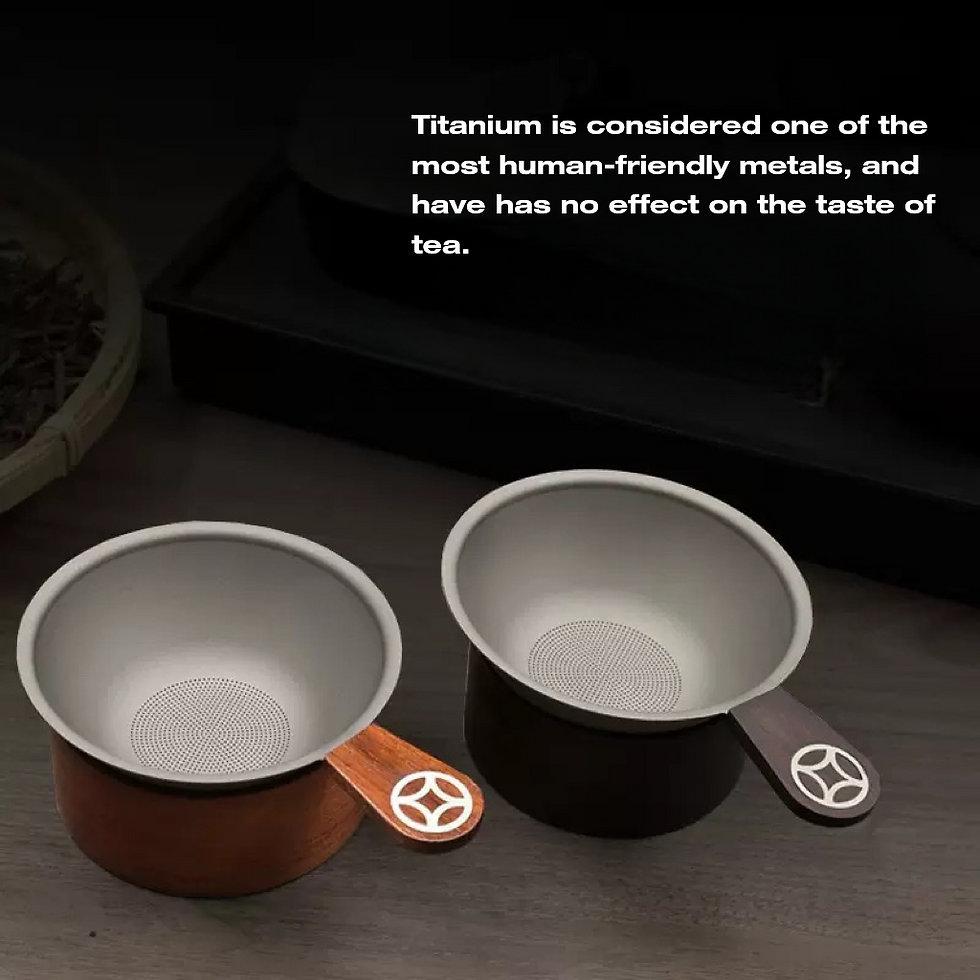
5. Tea Strainer
A tea strainer is used when pouring tea from the teapot or gaiwan into the fair cup. It catches broken leaves and fine particles, keeping the tea liquor clear and visually refined.
Although not always necessary, it is especially useful when brewing broken-leaf teas, aged teas, or compressed teas that may release small fragments during brewing.
6. Tea Canister
A tea canister is used for short-term tea storage and daily use. It keeps tea organized and makes it easier to portion tea during a session.
Different materials can be chosen depending on the tea and the setting. Ceramic and porcelain can look elegant on a tea table, while tin and sealed containers are practical for preserving freshness.

7. Waste Bowl — Water Bowl
The waste bowl is used to collect discarded water, rinse water, leftover tea liquor, and spent leaves. During a tea session, water may be used to warm the teapot, rinse cups, or awaken the tea leaves.
Having a waste bowl nearby keeps the tea table clean and allows the brewing process to flow naturally.

8. Tea Tray
A tea tray provides a dedicated surface for arranging tea tools and brewing vessels. It also catches drips, splashes, and excess water during brewing.
Beyond practicality, a tea tray helps create structure and visual harmony on the tea table. It gives the ceremony a clear centre and makes the whole setup feel calm and organized.

9. Tea Scoop — Cha Ze
A tea scoop, or Cha Ze, is used to take tea leaves from a container and roughly measure the amount needed for brewing. It allows the tea host to present the leaves before brewing and helps keep the tea-to-water ratio more consistent.
It is both functional and ceremonial, often used to show the dry leaf shape, colour, and quality to guests.
10. Tea Spoon
A tea spoon is a slender tool used to transfer tea leaves from a canister into a teapot or gaiwan. Its narrow shape is especially useful when working with smaller tea containers or vessels with limited openings.
It helps keep the process tidy and prevents direct hand contact with the tea leaves.
11. Tea Tongs — Cup Tongs
Tea tongs are used to handle hot cups safely and hygienically. They are especially useful when rinsing or warming cups with hot water before serving tea.
They can also be used to remove leaves or small debris from a teapot, making them one of the most practical tools on the tea table.
12. Tea Pick / Tea Needle
A tea pick, or tea needle, is a slim tool used for two common purposes. First, it can help clear a blocked teapot spout. Second, it can be used to loosen compressed tea, such as Pu-erh tea cakes or tea bricks.
For compressed tea, using a proper tea needle allows the leaves to be separated more carefully, reducing breakage and helping the tea brew more evenly.

13. Cup Holder / Cup Stand
A cup holder or cup stand is placed beneath a tea cup to catch drips and protect the tea table. It also creates a more polished presentation, giving each cup its own place within the tea setting.
While simple, this accessory adds a sense of care, order, and refinement to the tea experience.

Traditional tea ceremony accessories are not merely decorative objects. Each tool has a clear purpose: to control brewing, preserve aroma, serve tea evenly, keep the table clean, and create a more mindful experience.
For beginners, it is not necessary to own every item at once. A simple gaiwan or teapot, a fair cup, and a few tea cups are enough to begin. Over time, tools such as a tea tray, strainer, tea scoop, tongs, and waste bowl can make the process more comfortable and complete.
The beauty of traditional tea culture lies in this balance between function and elegance. Every object has a role, and together they turn a simple cup of tea into a quiet ritual of appreciation.
For reference, please see the video below.


Comments